
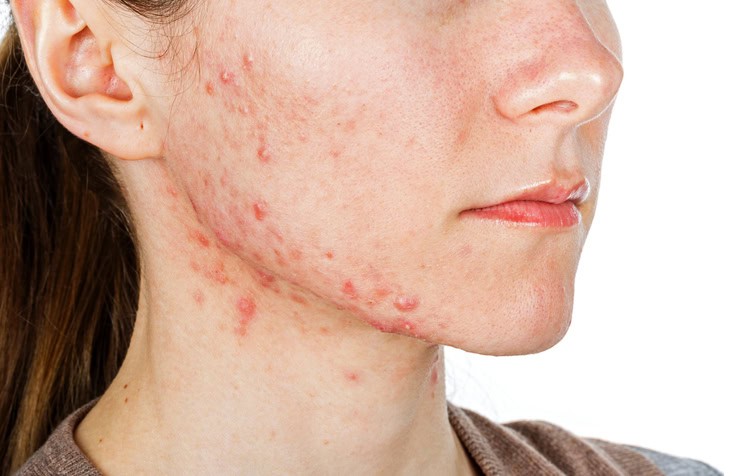
Hormonal acne is a persistent skin condition that affects adults, particularly women, often linked to fluctuations in hormones such as estrogen, progesterone, and androgens. Unlike typical acne, hormonal acne tends to appear along the jawline, chin, and lower cheeks and can be painful and cystic. At ILSC, Dr. Aasma Tayyab Khan specializes in identifying hormonal triggers and providing effective, personalized treatment plans for long-lasting results.
Hormonal acne may occur during puberty, menstrual cycles, pregnancy, or menopause. Stress, diet, and lifestyle habits can further exacerbate outbreaks. Many patients struggle for years without understanding the underlying cause, relying on over-the-counter creams that provide temporary relief but fail to address the root problem. Professional evaluation is essential to develop a treatment strategy that targets the hormonal imbalance and prevents future flare-ups.
Dr. Aasma begins with a thorough medical and dermatological assessment, including a detailed history, hormone level analysis if needed, and examination of the skin condition. Understanding the patient’s unique hormonal profile allows her to recommend precise interventions, whether medical, procedural, or lifestyle-based.
Treatment for hormonal acne at ILSC typically involves a combination of approaches. Topical therapies, including retinoids, anti-inflammatory creams, and antibiotic ointments, help reduce inflammation and bacterial activity. For severe or persistent acne, oral medications such as hormonal therapy, oral antibiotics, or anti-androgen drugs may be prescribed. These treatments are carefully monitored to ensure effectiveness while minimizing side effects.
Advanced procedures are also available for patients with scarring or pigmentation resulting from hormonal acne. Options like chemical peels, laser therapy, and microneedling improve skin texture, reduce dark spots, and encourage regeneration. Dr. Aasma customizes these treatments according to skin type, severity, and patient preference.
Lifestyle and diet play a significant role in managing hormonal acne. Dr. Aasma advises patients to maintain a balanced diet, reduce processed sugar and dairy intake, stay hydrated, manage stress through meditation or physical activity, and follow a consistent skincare routine. Collaboration with nutritionists at ILSC ensures that dietary habits complement medical treatments, promoting better skin health.
Patient education is crucial for long-term acne management. Dr. Aasma guides patients on proper skincare, product selection, and adherence to prescribed medications. Regular follow-ups allow for adjustments to treatment plans, monitoring of results, and prevention of future flare-ups. This comprehensive, holistic approach ensures that hormonal acne is controlled effectively and safely.
In summary, hormonal acne is a complex condition requiring professional care and a multifaceted treatment plan. With Dr. Aasma Tayyab Khan at ILSC, patients receive individualized care addressing the root causes of their acne, advanced treatment options for active lesions and scarring, and guidance on lifestyle adjustments. By combining medical expertise, personalized therapy, and ongoing support, ILSC empowers patients to achieve clear, healthy, and radiant skin.
Recent Posts

Sports, Performance, and Lifestyle Nutrition at ILSC
Optimal nutrition is essential not only for general health but...
Dec 20, 2025
Managing Chronic Diseases with Nutrition at ILSC
Nutrition plays a pivotal role in managing chronic diseases and...
Dec 19, 2025
Weight Management and Healthy Lifestyle with ILSC Nutritionists
Maintaining a healthy weight is not only about appearance—it’s essential...
Dec 18, 2025
Personalized Nutrition and Wellness at ILSC Medical & Dental Clinic
Good nutrition is the foundation of a healthy life, supporting...
Dec 17, 2025